
As U.S. and Australian military forces withdraw from Afghanistan and the Taliban retakes control, chaos has descended upon the war-torn, Central Asian nation. If, like a lot of us, you’re struggling to make sense of the chaos, these documentaries are a good place to start. These titles take an in-depth and objective look at the long history of conflict, battlefield conditions, the repressive climate for women, the plight of women in the region and the broader political issues in the Middle-East that have propagated the ideological conflict over the last 20 years.
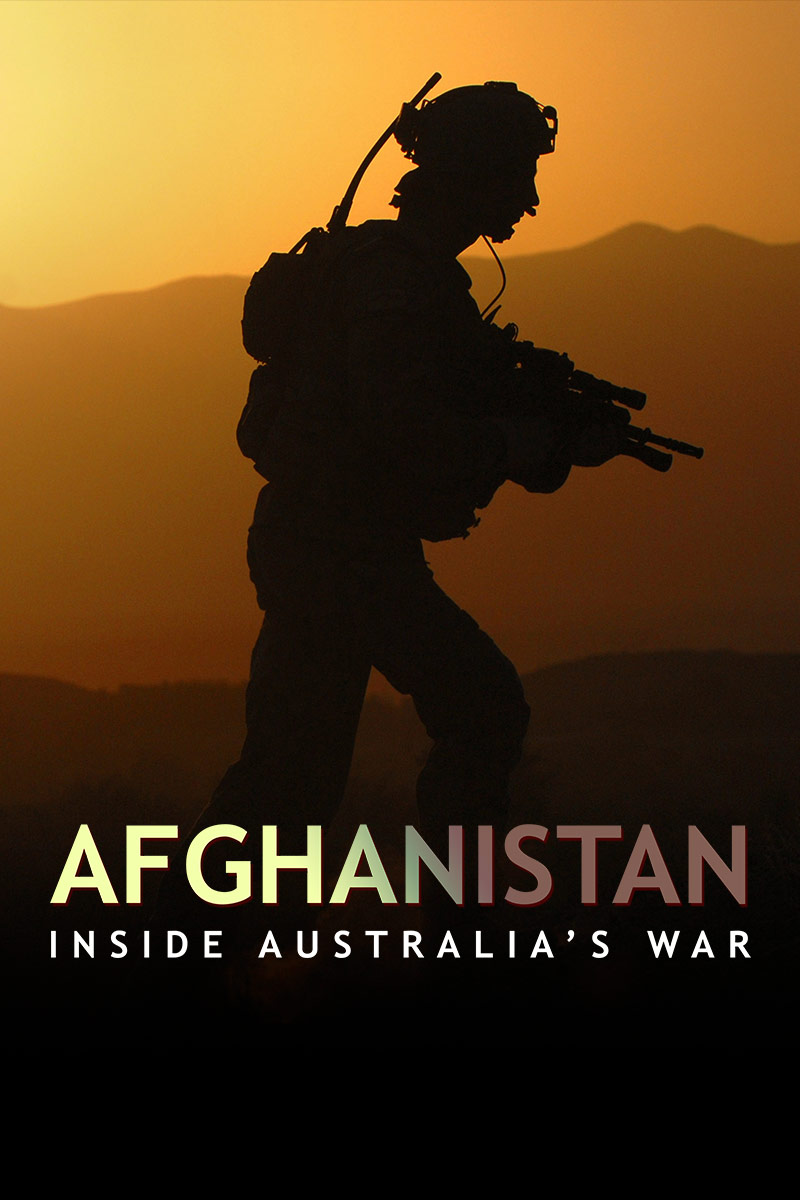
Afghanistan: Inside Australia’s War
The story of our longest war told by those who fought it. Never before have Australia’s fighting men and women talked so candidly about war so soon after the shooting stopped. Afghanistan: Inside Australia’s War draws on the raw experiences of our longest war – from private soldiers to prime ministers. In their own words and through their own extraordinary helmet-cam battle footage (much of it never before seen), Australian warriors lay bare their hearts in a searing, profound three-part epic – not just about how they fought a war, but why and to what end. The series takes viewers inside the experiences of soldiers, in the context of 9/11, Bali, Madrid, London and Iraq. As much a war story, Afghanistan: Inside Australia’s War is a portrait of a generation.
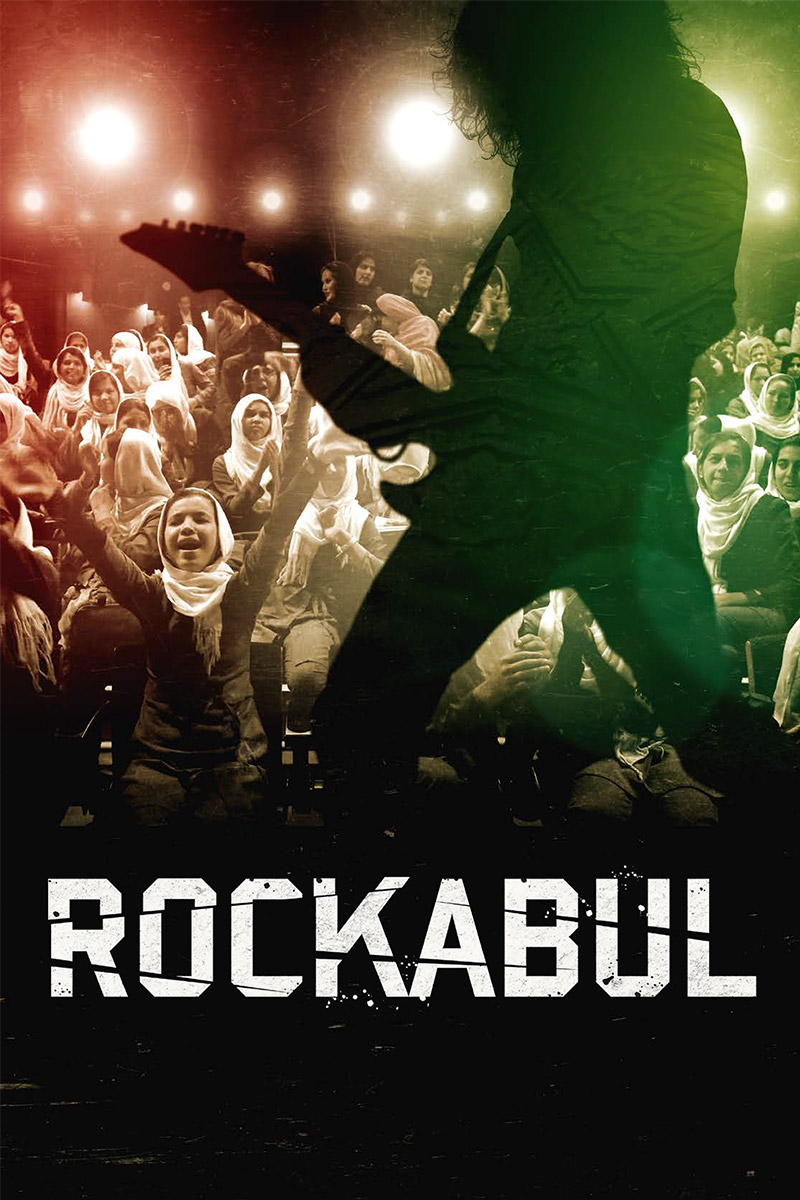
Rockabul
Would you put your life on the line for your music? Today, Afghans are one of the largest migrant populations fleeing their country for Europe/the West. Since 2002 the international community has injected more than a trillion dollars into Afghanistan. What went wrong? This film examines the counter insurgency/ culture campaign that the US government [and others] waged. Told through the eyes of Afghan youth, who start the country's first ever heavy metal band and an adventurous Australian, who created a Western style music scene in the capital - Kabul. Will head banging, disenchanted Afghans win the hearts and minds of their peers or will the Taliban come back from the grave?
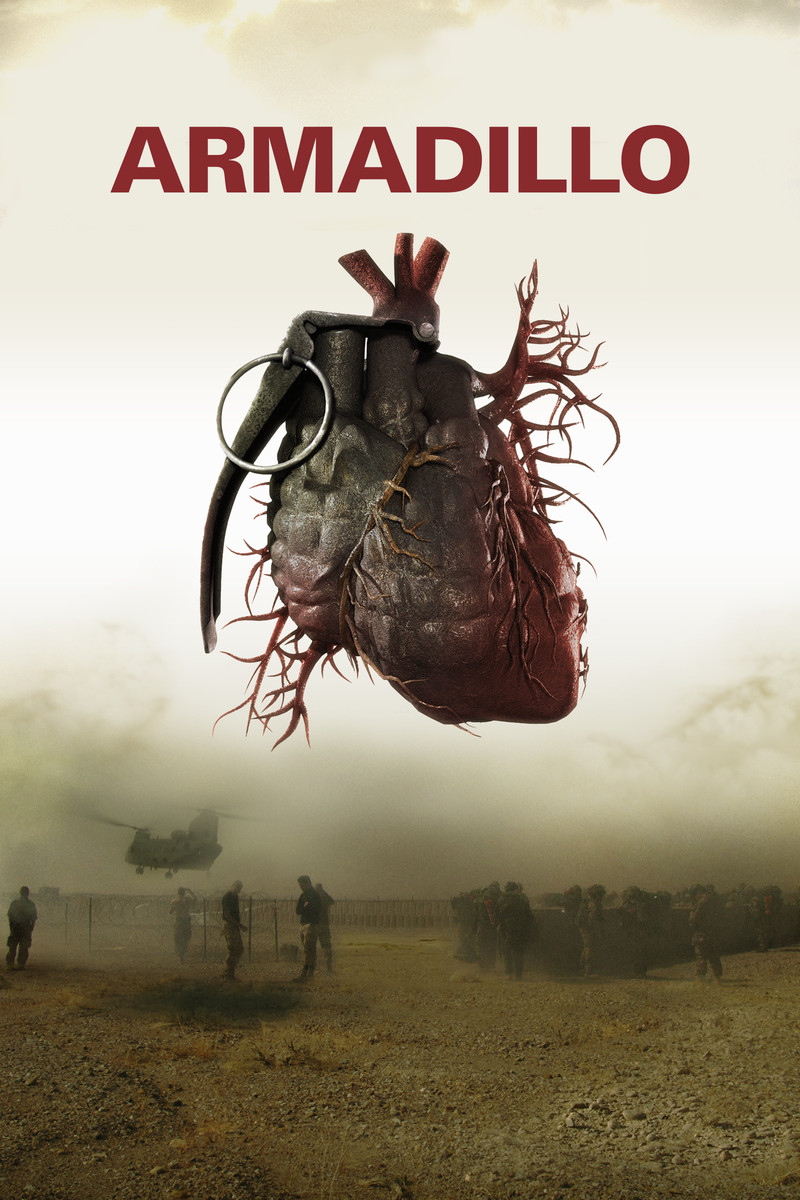
Armadillo
War gets under your skin. Award winning film director Janus Metz arrives in Afghanistan with a group of young soldiers on their first tour of duty. Stationed on the Helmand frontline in Camp Armadillo the platoon fights increasingly fierce battles with an enemy that is nearby but rarely seen. Metz captures life on the frontline with an uncompromising and intense vision, bearing witness to the realities of the combat zone. As the fighting intensifies the effect of modern warfare is gradually realised as exhaustion, fear and adrenaline set in. Idealism meets paranoia in an authentic gun battle and decisions are made that can never be reversed. Gripping, thought provoking and visceral, this is as close as you get to battle action from the edge of your seat.
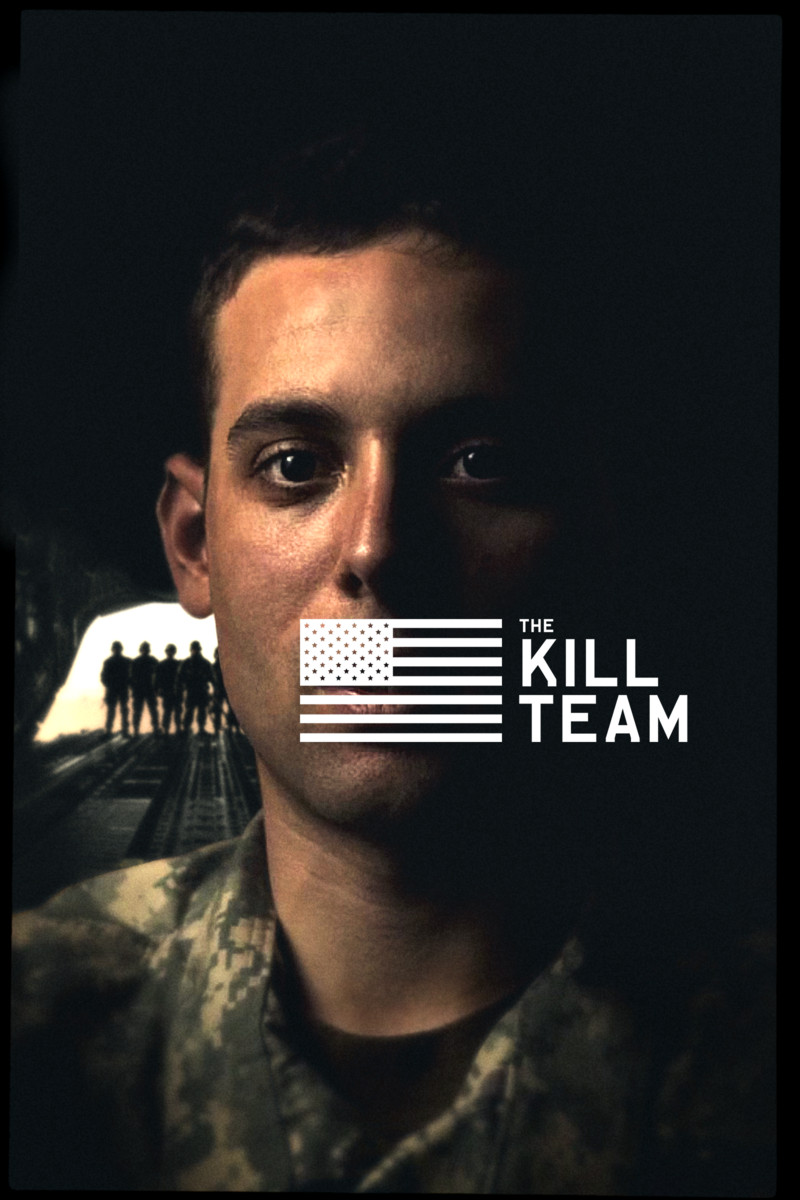
The Kill Team
Follow orders. Don't say a word. Equal parts infuriating and illuminating, THE KILL TEAM looks at the devastating moral tensions that tear at soldiers' psyches through the lens of one highly personal and emotional story. Specialist Adam Winfield was a 21-year-old soldier in Afghanistan when he attempted with the help of his father to alert the military to heinous war crimes his platoon was committing. But Winfield's pleas went unheeded. Left on his own and with threats to his life, Specialist Winfield was himself drawn into the moral abyss, forced to make a split-second decision that would change his life forever.
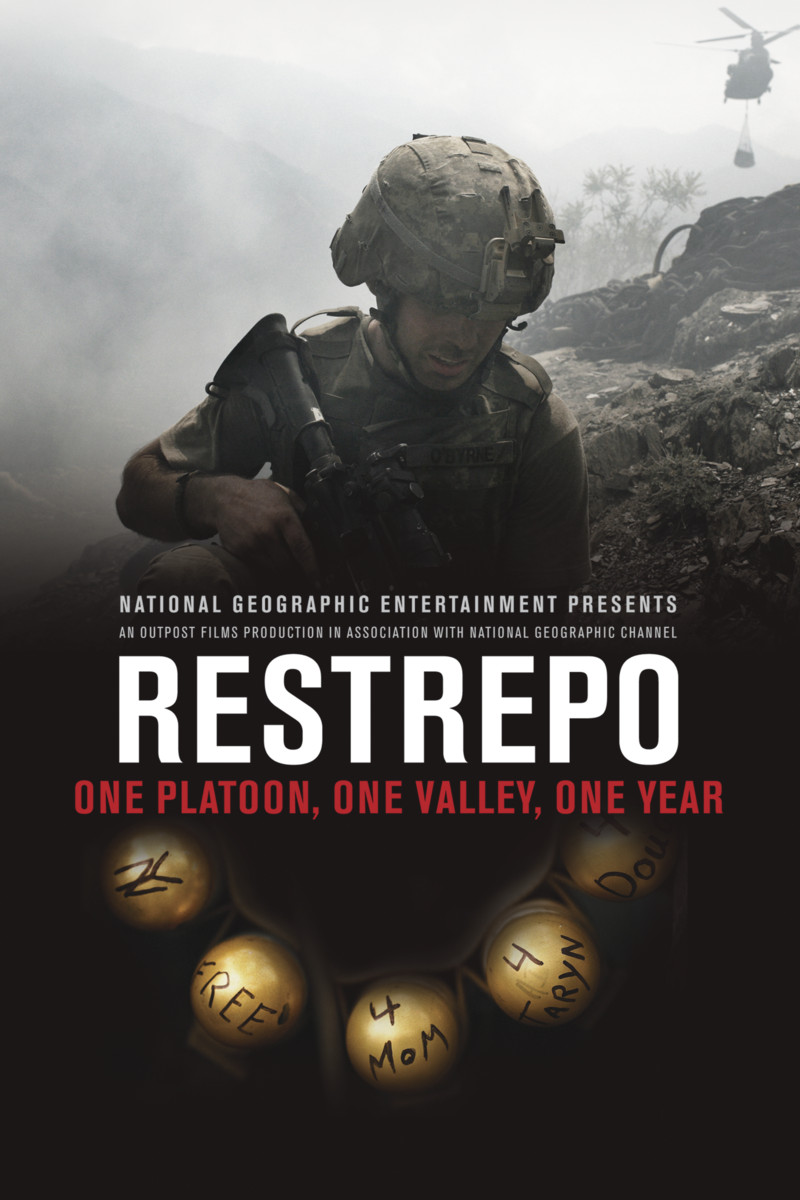
Restrepo
One Platoon, One Valley, One Year. From May 2007 to July 2008, Battle Company of the 173rd Airborne Brigade was stationed in the remote Korengal Valley of eastern Afghanistan – considered one of the most dangerous postings of the war. The soldiers of Second Platoon built and manned a remote and strategic outpost that they named ‘Restrepo’, in honour of their medic, PFC Juan Restrepo, who was killed in action. This is their story, in their words, of a group of men who came be considered the ‘tip of the spear’ for American efforts in that area. The film's goal is to make viewers feel as if they have been though a 90-minute deployment. This is war, full stop. This is the real HURT LOCKER.
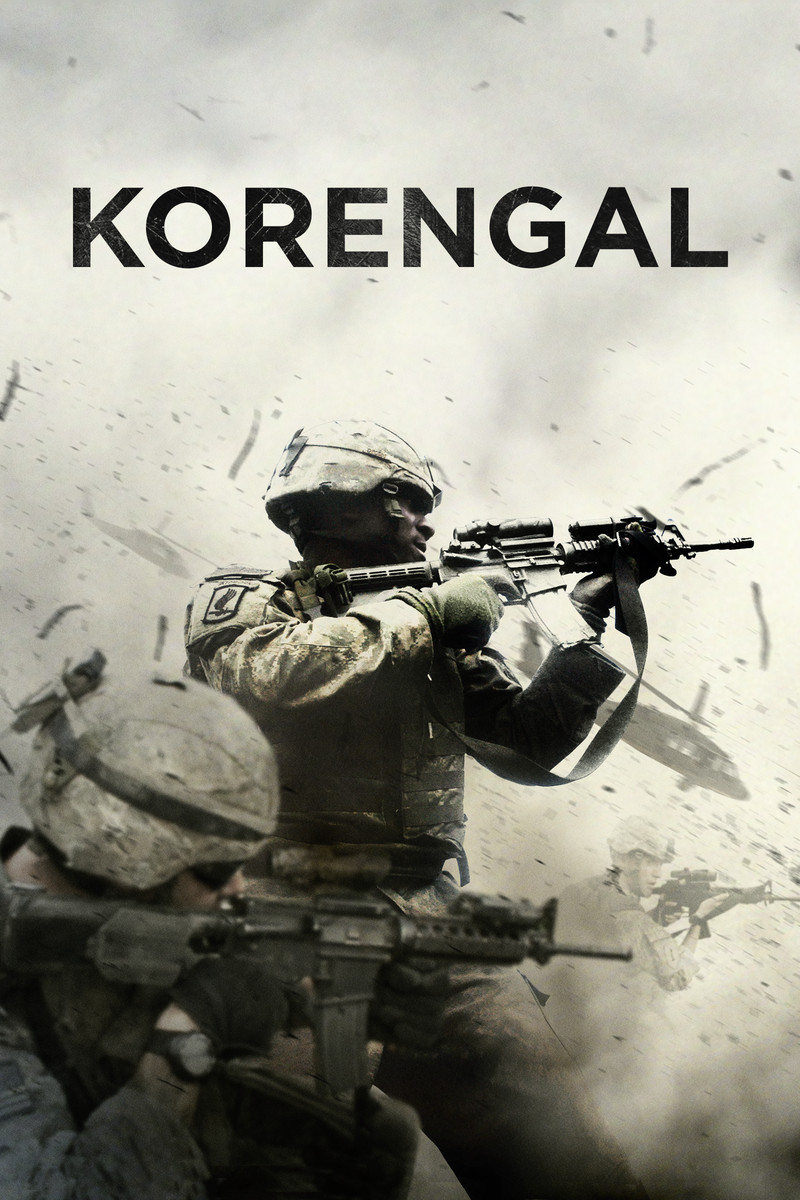
Korengal
This is what war feels like. KORENGAL picks up where RESTREPO left off…the same men, the same valley, the same commanders, but a very different look at the experience of war. KORENGAL explains how war works, what it feels like and what it does to the young men who fight it. As one cheers when they kill an enemy fighter, another looks into the camera and asks if God will ever forgive them for all the killing. As one grieves the loss of his friend in combat, another explains why he missed the war after his deployment ended and he would go back in a heartbeat if he could. Every bit as intense and affecting as RESTREPO, KORENGAL goes a step further in bringing the war into peoples’ living rooms back home.
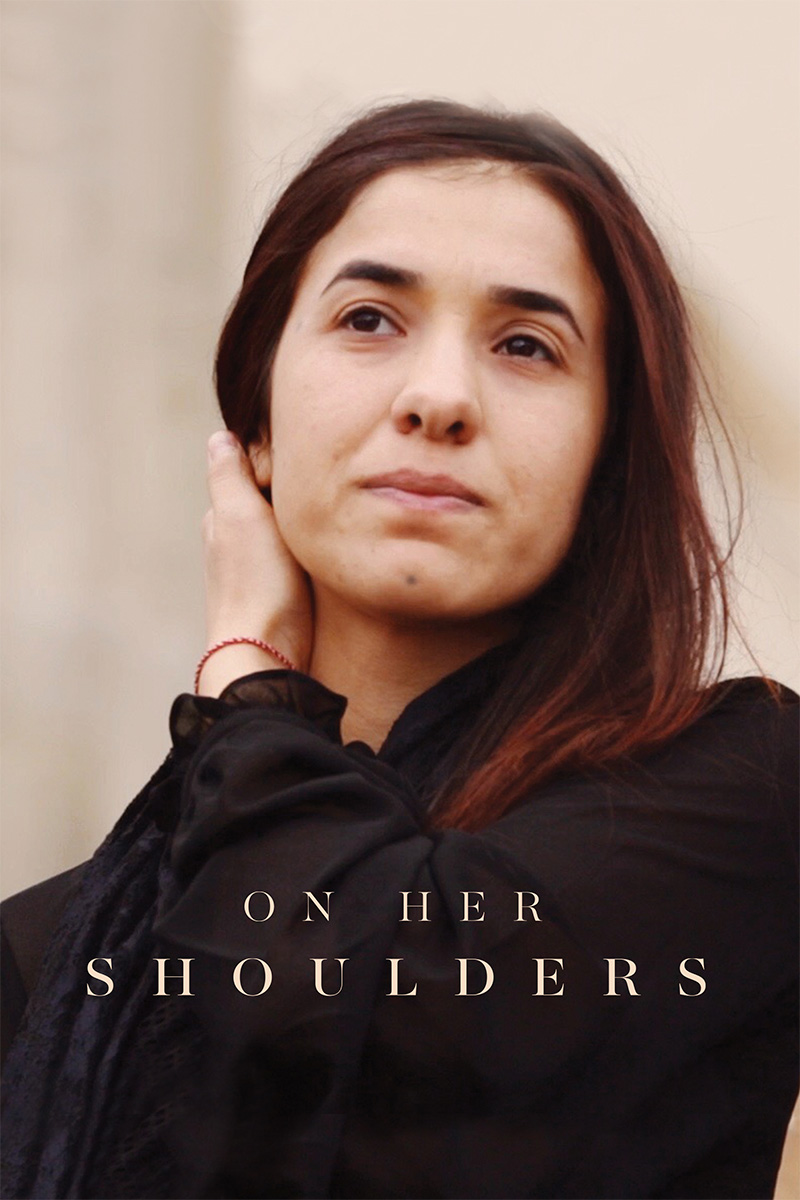
On Her Shoulders
Twenty-three-year-old Nadia Murad’s life is a dizzying array of exhausting undertakings from giving testimony before the U.N. to visiting refugee camps to soul bearing media interviews and one on one meetings with top government officials. With deep compassion and a formal precision and elegance that matches Nadia’s calm and steely demeanor, filmmaker Alexandria Bombach follows this strong willed young woman, who survived the 2014 genocide of the Yazidis in Northern Iraq and escaped the hands of ISIS to become a relentless beacon of hope for her people, even when at times she longs to lay aside this monumental burden and simply have an ordinary life.
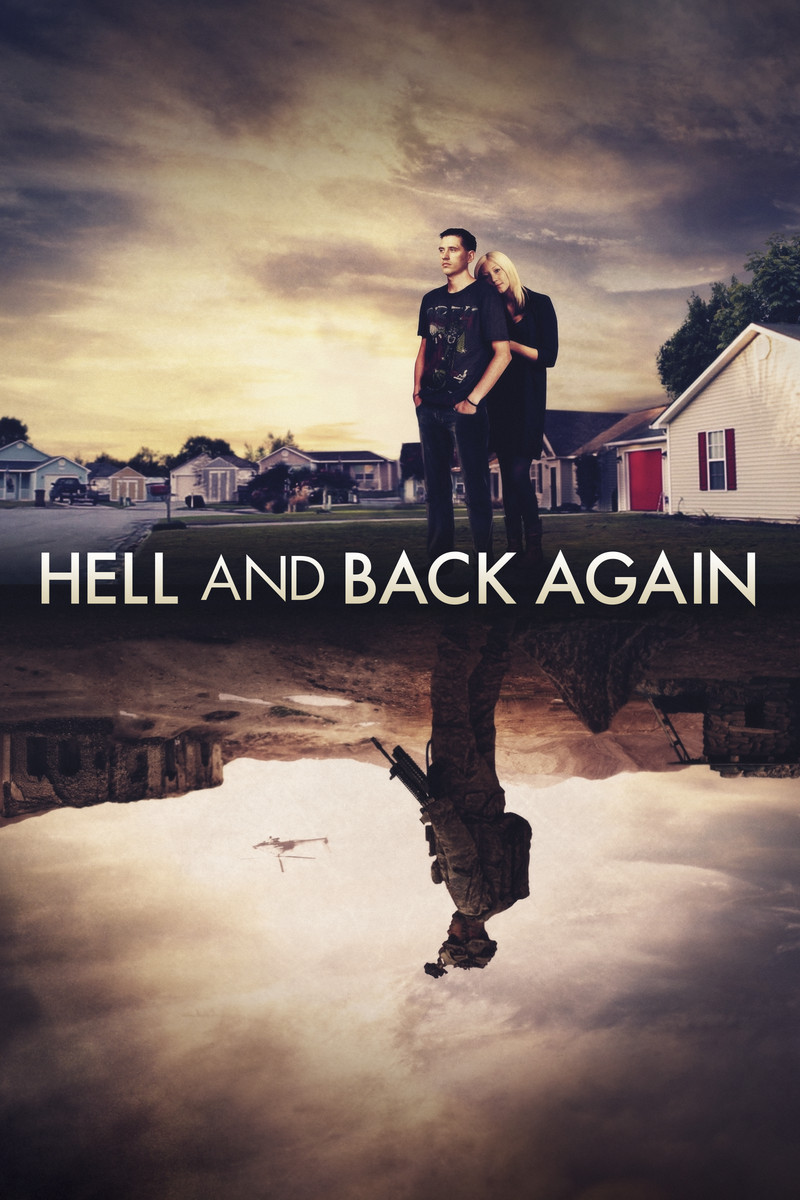
Hell And Back Again
Is life after war ever the same? The Oscar-nominated HELL AND BACK AGAIN follows 25-year-old Marine Sgt. Nathan Harris on his most difficult mission: coming home. After being seriously wounded in Afghanistan, Harris is forced to cut his tour short, leaving the danger and excitement of life on the front line behind. Embedded with Harris's unit during their assault on a Taliban stronghold, filmmaker Danfung Dennis juxtaposes the intense experience of war with the challenges of re-adjusting to civilian life in small town North Carolina. HELL AND BACK AGAIN brings the war home in ways that make gun-toting soldiering look like a day at the beach compared to the physical and psychological scars that manifest upon returning home.
Without Sheperds
Six bold individuals navigate the turbulent waters of Pakistan and fight to build a better tomorrow. A rare and essential glimpse into six brave lives trapped in the turbulent waters of Pakistan today. In the midst of the first national election in ten years, each of our characters takes their first steps in bold new directions of their own: Most notably Imran Kahn, former cricket star and heartthrob – leaves the cricket pitch for politics, hoping that his sports stardom can build a new coalition of young, energetic and principled voices; a female journalist working behind Taliban lines; an ex-mujahid seeking redemption; a trucker crossing dangerous territory to feed his family; a supermodel pushing feminism through fashion; and a subversive Sufi rocker using music to heal. Filmed by a team of American and Pakistani filmmakers over two years, WITHOUT SHEPHERDS cuts through alarmist media depictions of the country to celebrate the bravery of its people.
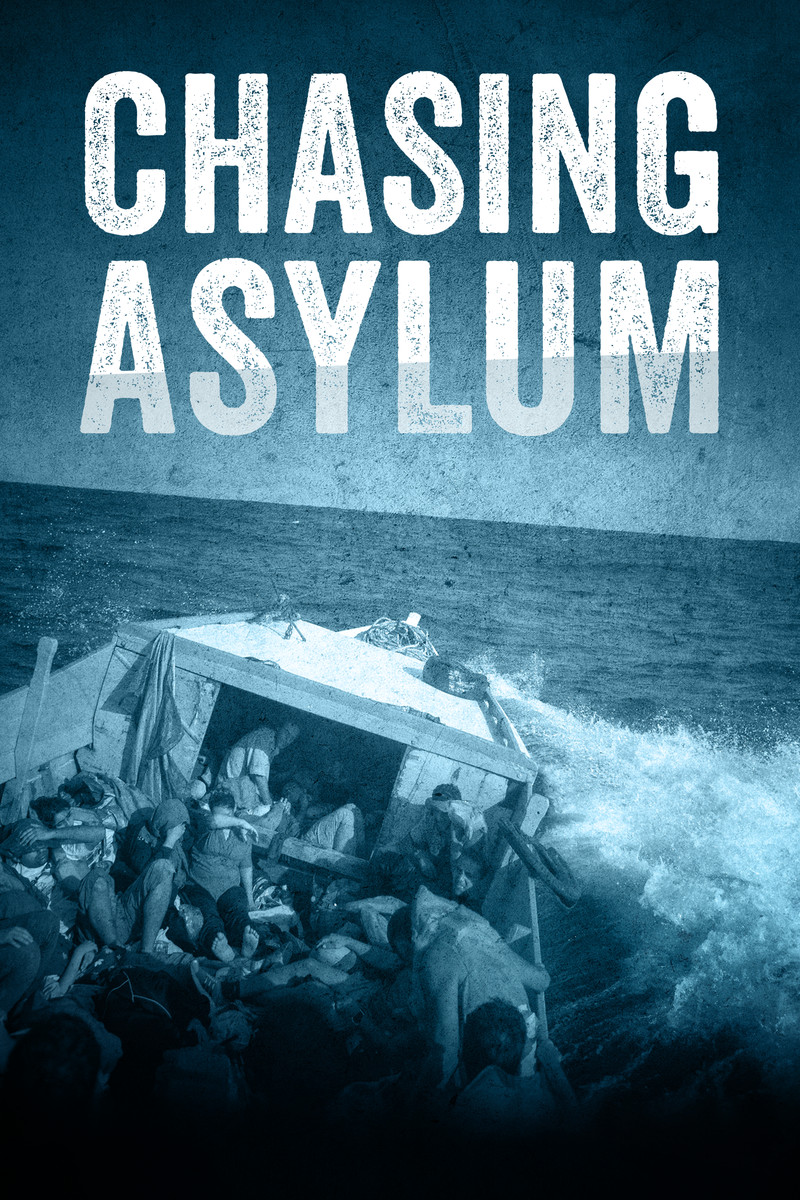
Chasing Asylum
The film the Australian government doesn’t want you to see.
When CHASING ASYLUM director, Eva Orner relocated to the United States in 2004 she never anticipated The Pacific Solution and offshore processing would still be policy in 2016. CHASING ASYLUM exposes the real impact of Australia’s offshore detention policies and explores how 'The Lucky Country' became a country where leaders choose detention over compassion and governments deprive the desperate of their basic human rights. The film features never before seen footage from inside Australia’s offshore detention camps, revealing the personal impact of sending those in search of a safe home to languish in limbo. CHASING ASYLUM explores the mental, physical and fiscal consequences of Australia’s decision to lock away families in unsanitary conditions hidden from media scrutiny, destroying their lives under the pretext of saving them.
Freedom Stories
The refugee experience, through detention and into Australian society.
Freedom Stories is an exploration of the achievements and struggles of former ‘boat people’. Now Australian citizens, they arrived seeking asylum from the Middle-East around 2001 – a watershed year in Australian politics sparked by the Tampa affair and Prime Minister John Howard’s declaration: “We will decide who comes to this country and the circumstances in which they come”. Some were only children when they experienced indefinite detention in remote places such as Woomera or Nauru and were then placed on temporary protection visas, which extended their limbo for years. It has taken astonishing resilience and over a decade for them to build secure lives and start contributing to their new country.